
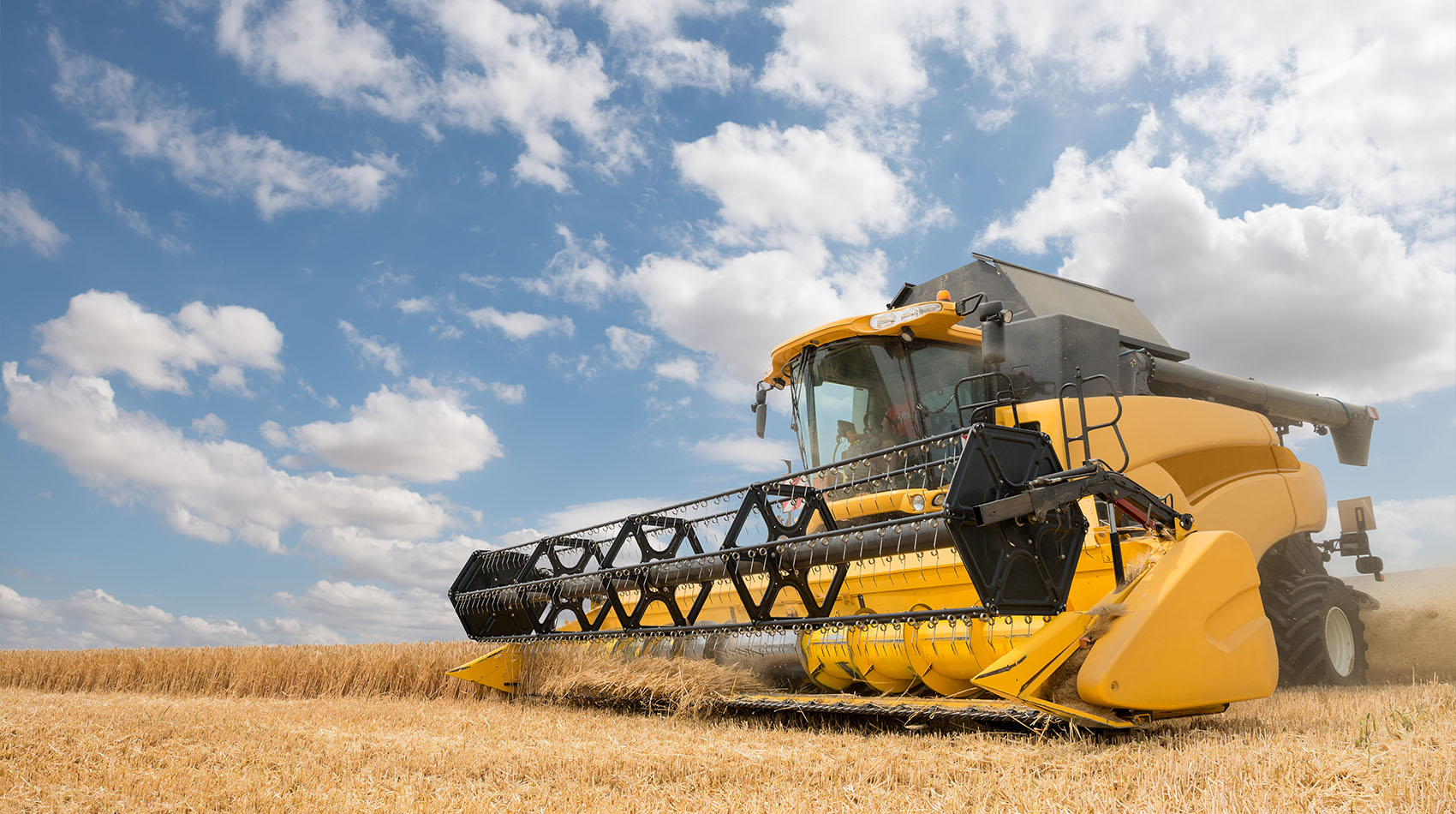
A successful harvest season in New Mexico doesn’t begin in the field — it begins in the shop. Long before the first combine cuts a row, tractors, implements, and grain-handling equipment must be inspected and serviced so they’re ready for the long days ahead. A breakdown during peak harvest can be one of the most costly and stressful setbacks a farmer faces. That’s why preseason preparation is what separates a smooth, productive season from one derailed by delays.
Watson Tractor & Implement Co. in Farmington has supported local farmers for more than 70 years, providing New Holland tractors, used farm equipment, service, and parts designed to keep operations moving when timing matters most.
How to Prepare Equipment Before Harvest
Harvest season puts tremendous stress on tractors, combines, and implements. A season-long maintenance schedule is the best way to keep machines running at full capacity when workloads peak. Farmers should review:
- Oil and Filters: Replace engine oil, hydraulic fluids, and filters to protect against wear.
- Belts and Chains: Inspect for cracks, stretching, or misalignment that could lead to sudden failures and downtime.
- Hydraulics and PTO Shafts: Make sure hoses and couplers are secure and free of leaks; confirm that PTO shields are intact.
- Tires and Brakes: Evaluate tread depth and air pressure, and verify braking systems for safe operation in both field and transport.
Watson Tractor’s parts department supplies both Original Equipment Manufacturer (OEM) New Holland components and aftermarket alternatives. With local availability, farmers can complete their pre-harvest checklist without waiting on long supply chains.
Why Combine Settings and Equipment Calibration Matter
Calibration is one of the most overlooked steps in harvest preparation, yet it’s also one of the most effective for preventing yield loss and protecting equipment. Even small misadjustments can create grain loss, uneven residue distribution, or unnecessary strain on machinery.
For crops common in San Juan County — alfalfa, corn, and small grains — proper calibration ensures:
- Better Harvest Efficiency: Adjusting rotor speed, concave clearance, and fan settings reduces waste.
- Field-Specific Performance: Irrigated fields often require different combine settings than dryland acreage.
- Consistent Results: Proper calibration improves efficiency, lowers fuel use, and supports precision agriculture practices.
Watson Tractor technicians are trained in equipment calibration, helping operators adjust for crop type, soil conditions, and harvest goals.
Safety and Operator Training Before the Season
A busy harvest schedule leaves little room for error. Pre-season safety checks protect both operators and equipment. Roll-over protection structures, lighting systems, fire extinguishers, and safety shields should all be inspected before machinery enters the field.
Equally important is operator readiness. Familiarity with controls, safety features, and emergency shutoffs reduces the chance of costly accidents on long days of work. Watson Tractor provides operator guidance to ensure crews are confident and prepared when using New Holland tractors and other harvest equipment.
Why Backup Plans Protect the Harvest
Even with careful planning, equipment breakdowns can happen during peak season. Having a backup plan in place helps avoid costly delays:
- Keeping Used Equipment on Hand: Pre-owned tractors and implements offer affordable backup options.
- Arranging Seasonal Rentals: Short-term equipment rentals fill gaps if machines go down mid-season.
- Relying on Local Service Support: Access to Watson Tractor technicians means repairs can be completed quickly, keeping operations on track.
Watson Tractor’s service department specializes in emergency repairs during peak harvest. With dependable used farm equipment available, producers can stay on schedule even when the unexpected happens.
Keeping Harvest on Track in the Four Corners
Preparation determines harvest success. Farmers who service, calibrate, and inspect equipment ahead of time avoid setbacks and increase efficiency when the season peaks. Backup plans provide peace of mind, while operator training ensures safety across the crew.
Watson Tractor & Implement Co., located at 1380 San Juan Boulevard in Farmington, supports every step of the process. From New Holland tractors and dependable used equipment to OEM parts and in-season service, the dealership has the tools and expertise to keep San Juan County agriculture running strong.
Schedule pre-harvest service today, or visit our Farmington location to explore tractors, parts, and support that will keep your harvest on track.
FAQ: Fall Harvest Preparation
Q: What should farmers inspect first when preparing equipment for harvest?
A: Start with oil, filters, belts, hydraulics, and tires — the components most likely to wear out during long harvest days.
Q: How do combine settings impact yield?
A: Correct rotor speed, concave clearance, and fan settings reduce grain loss and optimize efficiency.
Q:When should farmers begin preparing equipment for fall harvest?
A: Start 4–6 weeks before harvest to allow time for servicing, part delivery, calibration, and unexpected fixes.
Q: What role does Watson Tractor play in harvest support?
A: Watson Tractor provides farmers in San Juan County with new and used equipment, parts, service, and operator training to keep harvest on track.