
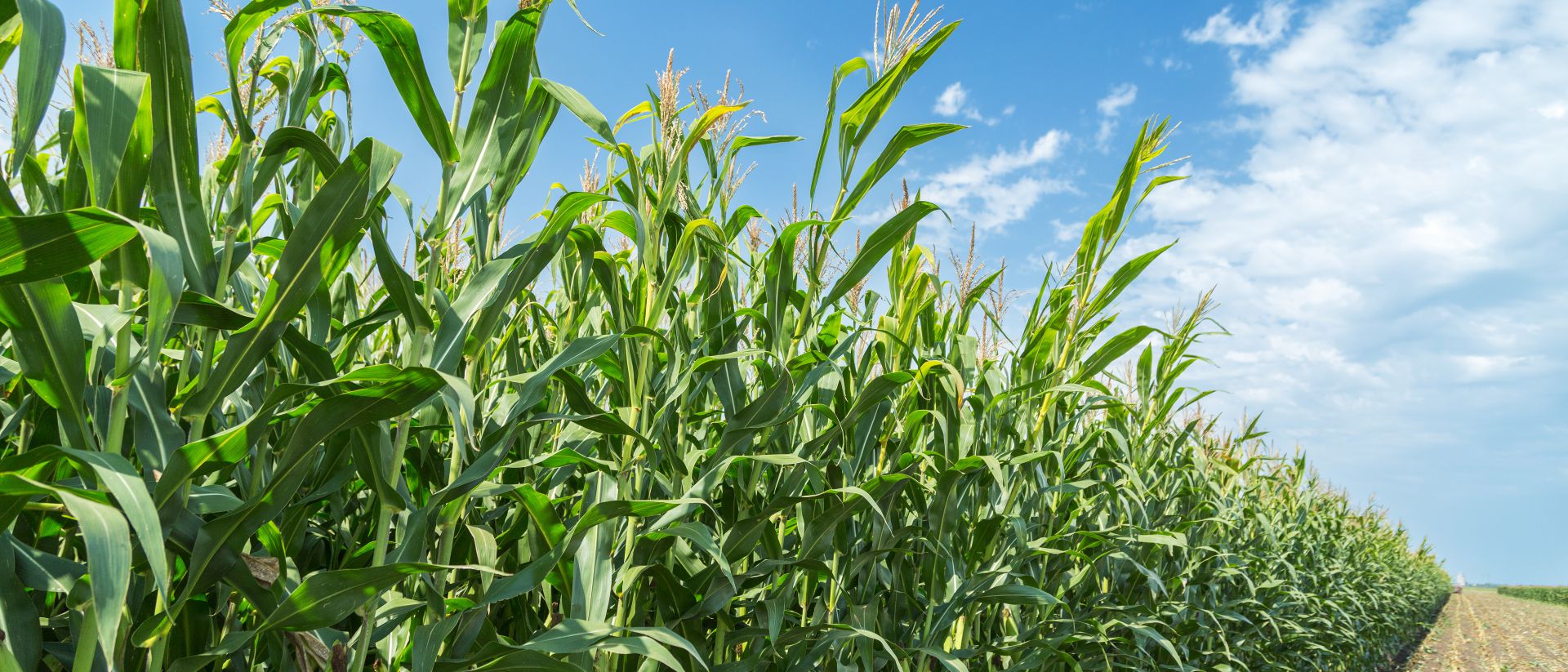
Corn Farming Equipment Essentials for the Four Corners Region
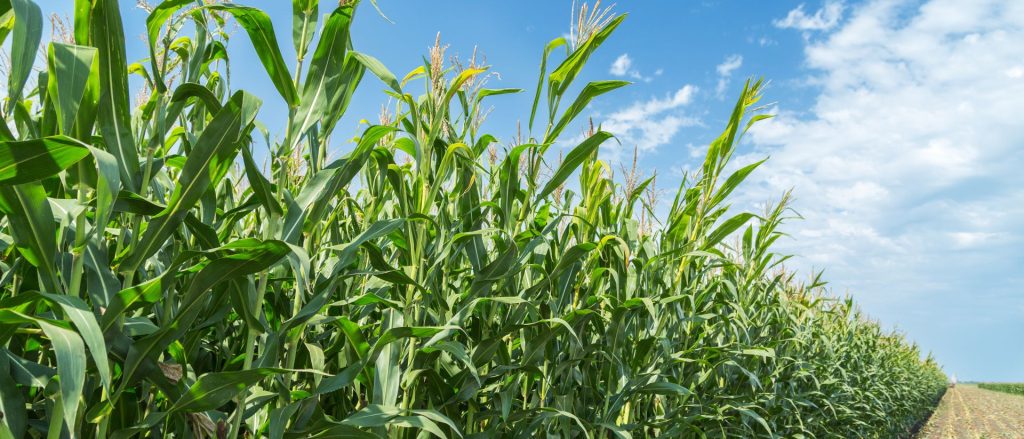
Corn farming equipment in the Four Corners region falls into five core categories: tractors, planting equipment, mid-season cultivation and spray equipment, harvest equipment, and grain handling systems. Because most operations here are irrigated and smaller than Midwest farms, equipment choices depend heavily on acreage, timing, and access to service and parts.
If you’re planning or expanding a corn operation in northwest New Mexico or the surrounding Four Corners region, understanding the right mix of corn farming equipment plays a major role in determining whether your season runs smoothly or falls behind schedule.
Watson Tractor has been helping Four Corners growers match equipment to their operations since 1952. Call 505-327-5012 or stop by 1380 San Juan Blvd in Farmington to talk through what your corn operation needs.
What Counts as Corn Farming Equipment
Corn farming equipment generally falls into five working categories: primary power (tractors), planting equipment, cultivation and crop protection tools, harvest equipment, and post-harvest grain handling and storage. These categories reflect how corn moves from field preparation through harvest and into storage.
In the Four Corners, the equipment needed for corn farming looks different than in large Midwest operations. Acreage is typically smaller, irrigation plays a major role, and planting and harvest windows are tighter due to elevation and growing conditions. These regional factors make equipment flexibility and reliability especially important.
Scale is the biggest factor in determining what equipment you need to own versus what can be rented or custom-hired. A smaller irrigated farm may own a tractor and planter but rely on contracted harvesting. Larger operations may justify owning a full lineup, especially when timing is critical.
Industry groups like the Nebraska Corn Board organize corn farming equipment into these same categories, reinforcing how consistent this structure is across regions. At the same time, equipment needs vary by crop, much like how growers approach matching tractors to potato farming equipment in the Four Corners.
Tractors for Corn Operations in the Four Corners
In short: Most Four Corners corn operations require a tractor in the 80 to 130 horsepower range, with sufficient hydraulic capacity and stable ground speed for planting and spraying work.
Tractors are the foundation of corn farming equipment. They power planting equipment, sprayers, and many cultivation tools, so matching horsepower and hydraulics to your operation is critical for efficiency.
For smaller two-row planters, tractors in the 65 to 90 horsepower range are often sufficient. Four-row planters and precision planting setups typically require 90 to 130 horsepower, along with higher hydraulic flow to support modern down-pressure systems.
Hydraulic capacity matters as much as engine power. Planters, sprayers, and other implements depend on consistent hydraulic flow to function correctly. Three-point hitch lift capacity also becomes important when lifting heavier planting equipment at headlands.
Transmission choice plays a role as well. Mechanical transmissions are common, but continuously variable transmissions offer more consistent ground speed, which can improve planting accuracy and reduce operator fatigue.
We carry New Holland models suited to this range, including the Workmaster series for smaller-acreage operations and the T5 series for mid-sized farms. The same tractor specifications for crop-specific equipment apply whether you’re running corn, potatoes, or other row crops.
For growers working smaller parcels, it’s worth reviewing the compact tractor guide for New Mexico farms to understand where compact equipment fits and where it reaches its limits.
Corn Planting Equipment
In short: Corn planting equipment relies on precise seed placement, consistent depth, and proper spacing. For most Four Corners growers, corn planter setup matters more than planter size when it comes to achieving strong yields.
Corn planting equipment is built around precision. Unlike other crops that can tolerate variation, corn requires consistent seed spacing and depth to maximize yield potential.
A corn planter uses either mechanical or vacuum-based singulation systems to place seeds evenly. Vacuum planters are more common in modern operations because they provide more consistent seed placement and reduce skips or doubles.
Row cleaners and depth control systems are especially important in irrigated fields, where soil moisture can vary across a field. Down-pressure systems help maintain consistent planting depth even when soil conditions change from row to row.
Most Four Corners operations run two-row or four-row corn planters, depending on acreage. Larger planters exist, but they are less common due to field size and operational scale in this region. Planter setup, calibration, and maintenance often have a greater impact on yield than simply increasing planter size.
Attachments for starter fertilizer or treated seed placement can further improve early growth, especially in irrigated conditions where nutrient timing matters.
Research from Iowa State Extension highlights how the setup of planting equipment directly affects stand consistency, particularly in residue-heavy fields.
Cultivation, Spray, and Mid-Season Equipment
In short: Mid-season corn equipment in the Four Corners is built around irrigation compatibility, crop protection, and maintaining consistent growing conditions rather than large-scale tillage.
Mid-season corn farming equipment focuses on crop protection, irrigation compatibility, and maintaining field conditions throughout the growing season. Corn cultivation practices in the Four Corners differ from dryland operations because irrigation infrastructure shapes how equipment moves through the field.
Sprayers are a key part of this stage. Whether pull-type or mounted, sprayers apply herbicides and fungicides to protect yield potential. Tank size, boom width, and compatibility with your tractor’s hydraulic system all factor into selecting the right setup.
Cultivation equipment may also be used for weed control, particularly in operations that reduce chemical inputs. Row-crop cultivators help manage weeds without disturbing the crop and can be useful in smaller or diversified operations.
Irrigation plays a central role in Four Corners corn production. Systems like gated pipes, drip irrigation, and center pivots all influence how equipment moves through the field. Tractors and implements must be able to navigate irrigation infrastructure without causing damage or delays.
Research from NMSU’s Agricultural Science Center at Farmington, which has studied irrigated corn production in the San Juan River basin for over 30 years, provides crop coefficient and evapotranspiration data specific to the region’s growing conditions. You can learn more about water-wise irrigation equipment through our blog.
Harvest and Post-Harvest Equipment
In short: Corn harvesting equipment includes combines or corn harvesters, supported by grain handling and storage systems. Many smaller operations rely on custom harvesting rather than owning a combine.
Corn harvesting equipment ranges from smaller pull-type machines to full combine harvesters equipped with corn heads, depending on the size and scale of the operation.
A combine harvester fitted with a corn head uses snapping rolls to pull the ear from the stalk, then feeds it into the threshing system to separate kernels from the cob. This system allows efficient harvesting across larger acreage within tight seasonal windows.
Smaller operations may use pull-type corn harvesters or choose to custom-hire harvesting services. For many Four Corners growers, hiring a combine is more cost-effective than owning one, especially when factoring in maintenance, storage, and limited annual use.
Grain handling equipment becomes important once harvesting begins. Grain carts move harvested corn from the field, while augers transfer it into storage or transport vehicles. Efficient grain handling helps prevent bottlenecks during harvest.
Grain storage systems, such as bins, allow growers to hold corn for later sale or use as livestock feed. Proper moisture management is critical for preventing spoilage and maintaining crop quality after harvest.
Equipment Financing, Parts, and Service in the Four Corners
Having the right corn farming equipment is only part of the equation. Keeping that equipment running during tight planting and harvest windows is just as important for overall productivity and yield optimization.
We offer equipment financing options for Four Corners farmers, including programs that align payments with seasonal revenue cycles. Financing can make it possible to invest in equipment that improves efficiency and supports long-term growth.
Access to parts is critical during the growing season. Wear items like planter components, hydraulic fittings, belts, and driveline parts need to be available when you need them. Delays during planting or harvest can directly impact outcomes.
Our parts department maintains inventory for New Holland equipment and common service needs. Service support is equally important, including pre-season inspections, hydraulic diagnostics, and in-season repairs that help reduce downtime.
If you need parts, service, or equipment support, call 505-327-5012 to speak with our team in Farmington.
Frequently Asked Questions
What equipment is needed to farm corn?
The equipment needed for corn farming falls into five main categories: tractors, planting equipment, sprayers or cultivators, harvest equipment, and grain handling or storage systems. For smaller Four Corners operations, tractors and planters are typically essential to own because they are used throughout the season. Harvest equipment like combines and grain carts is often custom-hired due to cost and limited use. The exact mix depends on acreage, irrigation setup, and how frequently corn is part of the crop rotation. Operations that grow corn every year generally benefit from owning more of their equipment lineup rather than relying on contracted services.
What machines do corn farmers use?
Corn farmers use tractors, corn planters, sprayers, cultivators, combine harvesters with corn heads, grain carts, augers, and grain bins. Smaller operations may rely on fewer machines or share equipment with neighbors, while larger farms often own a full lineup to maintain efficiency during tight seasonal windows. Equipment choices are influenced by field size, irrigation systems, and labor availability, all of which affect how quickly work needs to be completed during planting and harvest. In the Four Corners, irrigated fields and smaller acreages tend to favor mid-range tractors and two- to four-row planters over the larger equipment common in Midwest operations.
How does a corn harvester work?
A corn harvester, typically a combine harvester with a corn head, uses snapping rolls to pull ears from the stalk as the machine moves through the field. The ears are then fed into the threshing system, which separates kernels from the cob and removes plant material like husks and chaff. Clean grain is collected in the combine’s holding tank, while residue is spread or windrowed from the back of the machine. Modern combines can adjust threshing intensity and ground speed to reduce kernel damage and grain loss. This process allows large areas to be harvested efficiently while maintaining grain quality.
What’s the minimum tractor horsepower for a corn planter?
Most two-row corn planters can operate with tractors in the 65 to 90 horsepower range, while four-row planters typically require 90 to 130 horsepower or more. Hydraulic capacity and three-point hitch lift are also important factors, especially with modern planters that rely on hydraulic down-pressure systems for consistent seed depth. Choosing the right tractor ensures consistent planting performance and reduces strain on equipment during field operation. Down-pressure planters place higher demands on the tractor’s hydraulic system than older mechanical units, so checking your tractor’s hydraulic flow rating against the planter manufacturer’s specifications is a good step before purchase.
Can a compact tractor handle corn farming?
A compact tractor can handle corn farming on a small scale, typically up to 20 to 30 acres. These tractors, generally in the 35 to 55 horsepower range, are suitable for planting with smaller planters, light cultivation, and general fieldwork. The limit is harvest and high-capacity spray work, where compact units run out of horsepower and hydraulic flow. As operations grow beyond small-acreage corn, most farmers transition to larger utility or row-crop tractors to handle increased workload and equipment demands. For more details on what compact tractors can and cannot do, see our compact tractor guide for New Mexico farms.
Should a small operation rent or buy corn farming equipment?
Smaller operations often benefit from owning core equipment like tractors and planters while renting or hiring out harvest equipment. Combines and grain carts represent a significant investment that may not be justified for limited acreage, since the per-acre cost of ownership is high relative to how many acres the machine works each year. Many growers use a mixed approach, balancing ownership with custom services to control costs while maintaining flexibility during critical parts of the season. If you’re weighing the economics of owning versus renting, our team at Watson Tractor can walk you through financing options that fit seasonal revenue cycles. Call 505-327-5012 to start that conversation.
Talk With Watson Tractor
If you’re planning your next corn season or looking to upgrade your equipment, we’ve been serving Four Corners growers since 1952. Visit us at 1380 San Juan Blvd in Farmington, contact us online, or call 505-327-5012 to talk through your operation and equipment needs.