
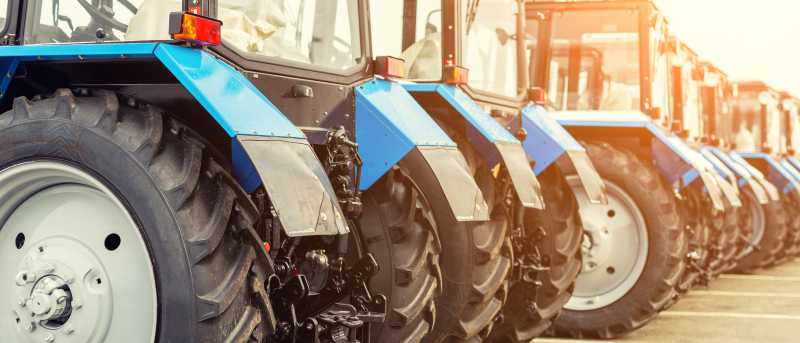
Used vs. New Farm Equipment: Making Smart Investment Decisions
|
Farm equipment is one of the largest investments most agricultural operations make. The decision between buying new or used equipment affects productivity, maintenance costs, fuel efficiency, and future trade-in value. For farmers and ranchers in Farmington, New Mexico, and the Four Corners region, the right equipment purchase depends on balancing budget, reliability, and operational needs.
Watson Tractor & Implement Co. carries both new and used equipment, giving producers flexibility when comparing options. To discuss available inventory or financing programs, call 505-327-5012 or request a quote through Watson Tractor’s website.
Assessing Your Operation’s Needs Before You Buy
|
The best equipment decision starts with one question: how often will the machine actually be used? Equipment that runs daily, such as tractors or loaders, often justifies a larger investment because downtime directly affects productivity. Seasonal equipment used only a few weeks each year, such as planters or hay rakes, may make more financial sense as a used purchase.
Technology requirements also play an important role. Operations that rely on GPS guidance, automated row shutoffs, or data connectivity may need newer equipment supporting modern precision agriculture systems. Some older machines can be upgraded with newer technology, but compatibility varies by manufacturer.
A practical cost analysis should include more than the purchase price alone. Fuel efficiency, maintenance expenses, insurance costs, resale value, and how long you plan to own the equipment all affect long-term costs.
Before making a final decision, identify priorities clearly: uptime, technology compatibility, budget, and expected ownership duration. Producers can also browse Watson Tractor’s equipment inventory to compare available machinery in Farmington and surrounding San Juan County communities.
The Case for Buying New Equipment
New equipment often makes the most sense for operations that depend on consistent uptime and modern precision agriculture technology. For producers who use tractors, loaders, or compact equipment every day, reliability can outweigh the higher upfront cost.
One of the biggest advantages is manufacturer warranty coverage. Warranty protection helps reduce repair risks during the first several years of ownership, especially for heavy-use equipment. New Holland tractors and compact track loaders offer competitive coverage while supporting precision agriculture systems, including GPS guidance.
New machines typically require less maintenance during the first several years of ownership. That can help reduce downtime during planting, hay production, or harvest.
Financing programs may also make newer machinery more accessible. The USDA Farm Service Agency offers ownership and operating loan programs for eligible agricultural producers, including microloans for smaller operations. Additional information is available through the USDA Farm Loan Programs.
Under IRS Section 179 rules, qualifying equipment purchases may be deductible in the year they are placed into service. Producers should consult a tax professional to confirm eligibility and current deduction limits.
For buyers who want updated technology without paying full new-equipment pricing, certified pre-owned inventory provides a practical middle option. These machines often include inspections, refurbishment work, and limited warranty coverage.
The Case for Buying Used Equipment
|
Used equipment remains a practical choice for many farms and ranches because it lowers upfront costs and reduces exposure to rapid depreciation. In some cases, producers may acquire multiple used machines for the cost of a single new model.
New agricultural equipment can lose substantial value during the first year. After that initial drop, depreciation generally slows, so late-model used equipment often holds its value more steadily. This can improve future trade-in value when upgrading.
Insurance premiums are often lower for used machinery because replacement values are reduced. Buyers may also access a wider selection of brands, configurations, and discontinued models that are no longer available new.
Dealer support plays an important role when purchasing used machinery. Dealer-refurbished and certified pre-owned equipment can reduce risk because the machine has undergone inspections and service work before resale. Buyers should still review inspection checklists and request complete equipment history before purchase.
When evaluating used equipment, pay close attention to hour meter readings, maintenance records, hydraulic system performance, tire or track wear, and available oil analysis reports. Many producers use 5,000 hours as a general benchmark for tractor wear, although maintenance history is often just as important as total hours.
Many older machines can also be upgraded with modern technology. Retrofitting GPS guidance or precision agriculture tools may cost far less than replacing equipment entirely.
Cost comparisons should include long-term ownership expenses, not just purchase price. Iowa State University Extension provides machinery ownership and operating cost resources that help producers estimate long-term equipment expenses through its Ag Decision Maker tools.
Watson Tractor helps customers across the Four Corners region keep equipment running with local service and repair support.
Financing Your Equipment Purchase
|
Financing affects the total cost of ownership as much as the equipment price itself. Many dealerships, including Watson Tractor, offer financing options for both new and used equipment purchases. Financing terms vary based on equipment age, buyer qualifications, and lender requirements.
The USDA Farm Service Agency also provides direct and guaranteed loan programs for agricultural producers. Eligible borrowers may qualify for ownership loans, operating loans, or microloans designed for smaller operations and beginning farmers. Information about current programs is available through Farmers.gov loan resources.
Leasing may also make sense for equipment that will be replaced every few years. Monthly lease payments can lower short-term expenses, and some lease agreements include maintenance coverage.
A complete cost analysis should account for fuel usage, maintenance, insurance, repairs, and depreciation over the expected ownership period. Trade-in value also matters when calculating long-term costs. Lower purchase prices do not always translate into lower total ownership costs if repairs or downtime increase later.
Producers comparing financing options can request a quote from Watson Tractor to discuss available equipment and financing programs.
Frequently Asked Questions
How much can I save buying used farm equipment instead of new?
Used farm equipment often costs 30-60% less than comparable new machinery, depending on age, condition, and operating hours. Savings can increase further because used equipment typically carries lower insurance costs and slower depreciation. Watson Tractor & Implement Co. can also help compare pricing and long-term ownership costs between similar new and used models available in Farmington and the Four Corners region.
What should I inspect before buying used farm equipment?
Start by checking the hour meter and reviewing maintenance records. Many buyers use 5,000 hours as a general benchmark for tractor wear, although service history is often just as important as total hours. Buyers should also inspect hydraulic systems, tire or track wear, electrical components, frame condition, and available oil analysis reports. A dealer inspection can help identify potential problems before purchase.
How does equipment depreciation affect my investment?
New farm equipment can lose up to 20% of its value during the first year of ownership. Depreciation slows after the first few years, which is why many producers view late-model used equipment as a strong long-term value. Equipment depreciation also affects future trade-in value, making long-term ownership costs an important part of the buying decision.
Can I finance used farm equipment through a local dealer?
Yes. Many dealerships, including Watson Tractor & Implement Co., offer financing for both new and used equipment purchases. USDA Farm Service Agency operating loans and microloan programs may also help qualifying producers purchase machinery, regardless of whether it is new or used. Additional information is available through Farmers.gov loan resources. Financing terms vary based on equipment age, lender requirements, and buyer qualifications.
When does buying new equipment make more sense than used?
New equipment often makes more sense when precision agriculture technology compatibility is essential or when downtime could significantly affect productivity. Daily-use equipment may benefit from manufacturer warranty coverage and lower early repair costs. Fuel efficiency improvements and possible Section 179 tax deductions may also support purchasing new machinery, depending on operational goals and tax circumstances.
Watson Tractor & Implement Co. has been serving Farmington and the Four Corners region since 1952. To compare new and used equipment options or discuss financing, call 505-327-5012 or request a quote online.